
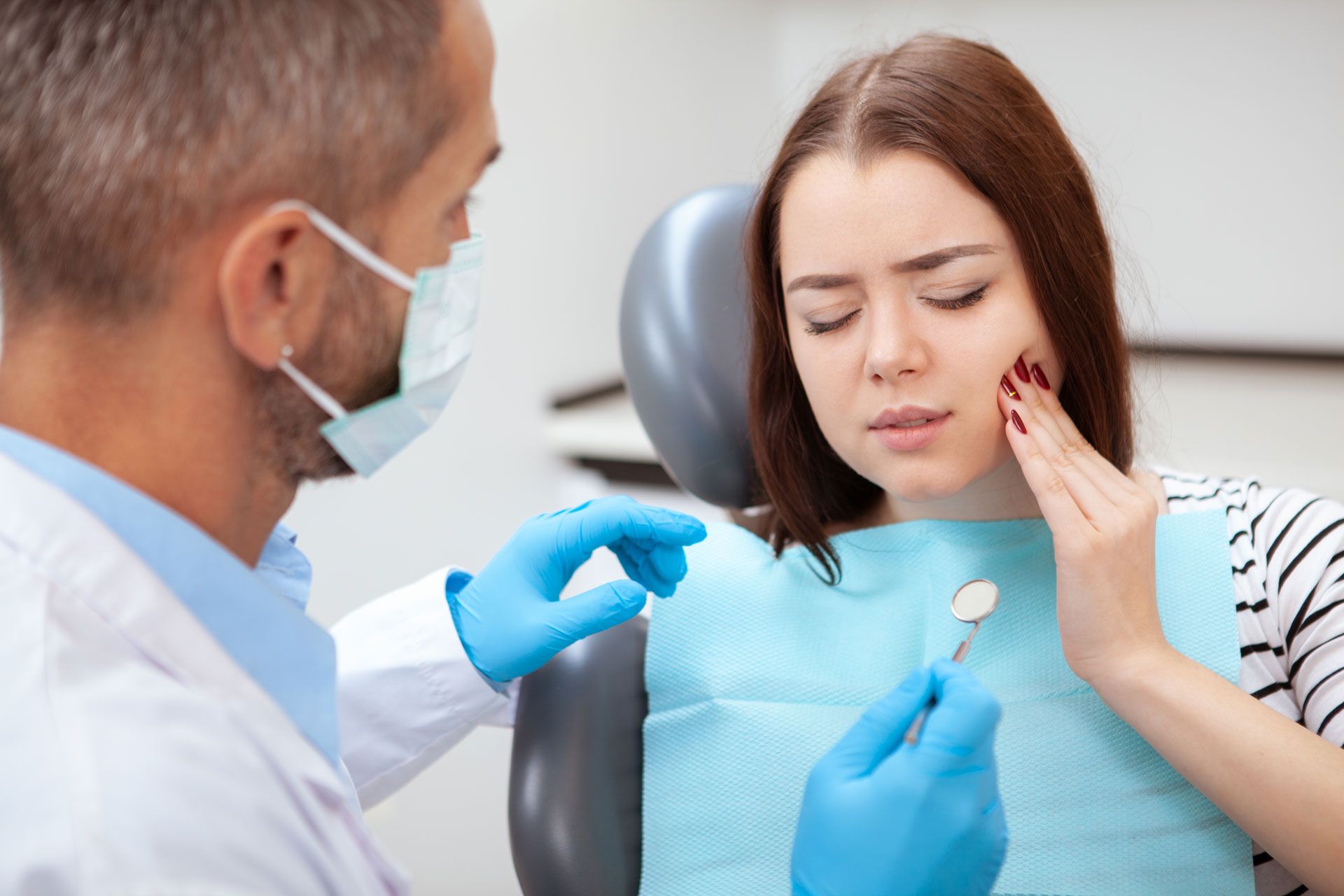
A cracked tooth on a Saturday, a throbbing ache that keeps you up at night, a crown that pops off just before a big meeting. Dental emergencies rarely arrive at a convenient time. Knowing what to do in the first hour can ease the pain, protect the tooth and make treatment simpler once you reach the dentist.
Here is a practical guide from the team at Xtracare Dental in Lakewood, WA, covering the most common dental emergencies and the steps to take for each one.
Is it a dental emergency?
As a rule of thumb, call a dentist the same day if you have any of the following:
- Severe or throbbing tooth pain that does not settle with over-the-counter pain relief
- A tooth that has been knocked out or pushed out of position
- A cracked or broken tooth, especially with sharp pain when you bite
- Swelling in your gums or face, or a pimple-like bump on the gum
- A lost filling or crown that leaves the tooth sensitive or sharp
- Bleeding from the mouth that will not stop after 10 to 15 minutes of gentle pressure
Go to the hospital emergency room or call 911 if you have facial swelling that is spreading towards your eye or neck, difficulty breathing or swallowing, a high fever with dental pain, or an injury to your jaw or head. These can be signs of a serious infection or injury that needs immediate medical care.
Knocked-out tooth
Time matters most here. A permanent tooth has the best chance of being saved if it is put back within about an hour.
- Pick the tooth up by the crown (the white part), not the root.
- If it is dirty, rinse it briefly with milk or clean water. Do not scrub it or remove any attached tissue.
- If you can, gently push it back into its socket and bite down on a clean cloth to hold it in place.
- If that is not possible, keep the tooth moist in a small container of milk, or tucked inside your cheek if you are an adult.
- Call us straight away on (253) 627-3100.
Severe toothache
Rinse your mouth with warm salt water, then gently floss around the tooth to remove any trapped food. A cold compress on the outside of your cheek can ease swelling. Avoid placing aspirin or painkillers directly on the gum, as this can burn the tissue. Persistent or throbbing pain often points to decay or infection, so book an appointment even if the pain eases.
Cracked or broken tooth
Rinse with warm water and save any pieces you can find. Apply a cold compress to reduce swelling and avoid chewing on that side. A broken tooth can expose the inner layers to bacteria, so it should be checked as soon as possible, even if it does not hurt.
Lost filling or crown
Keep the crown somewhere safe and bring it with you. A small amount of over-the-counter dental cement or sugar-free gum can cover a sensitive spot temporarily. Do not use household glue. Avoid very hot, cold or sweet foods until the tooth is repaired.
Swelling or a gum abscess
A swollen, tender gum or a pimple-like bump can indicate an abscess, which is a pocket of infection. Rinse with warm salt water several times a day and call the practice the same day. Infections do not clear up on their own and can spread if left untreated.
How to lower your risk of a dental emergency
- Keep up regular cleanings and exams so small problems are caught early.
- Wear a mouthguard for contact sports.
- Avoid chewing ice, hard candy and pen caps.
- Do not ignore mild sensitivity, which is often the first sign of a cavity or crack.
Same-day emergency care in Lakewood, WA
Xtracare Dental offers same-day appointments for urgent problems such as severe toothaches, broken teeth and lost fillings. If you are in pain, call us on (253) 627-3100 or request an appointment online. You can also read more about our emergency dental services.
This article is general information and is not a substitute for a professional diagnosis. If you are unsure whether your symptoms are serious, call a dentist or seek medical care.